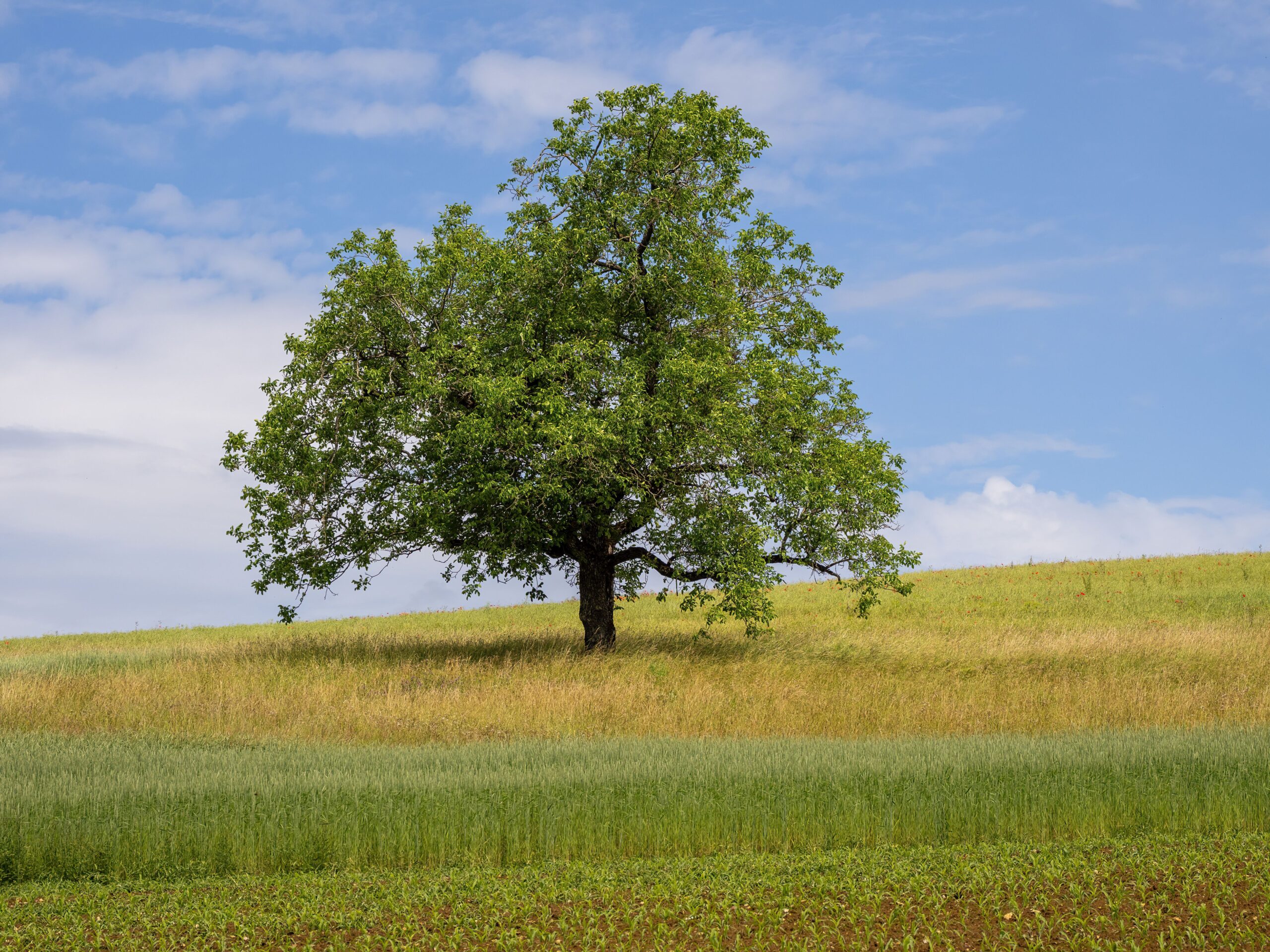
First impressions matter for North Texas commercial properties, where a vibrant, healthy landscape instantly signals professionalism to clients, tenants, and visitors. However, managing a property in this region means battling intense summer heat, sudden winter freezes, and dense, unyielding clay soil that can quickly destroy a landscaping investment. Choosing the right trees and maintaining them correctly ensures your property stays beautiful, reduces the “urban heat island” effect around asphalt parking lots, and lowers building cooling costs. Here is a short guide to the toughest, most stunning trees for North Texas commercial spaces and the essential care practices required to keep them thriving for decades.
1. Cedar Elm
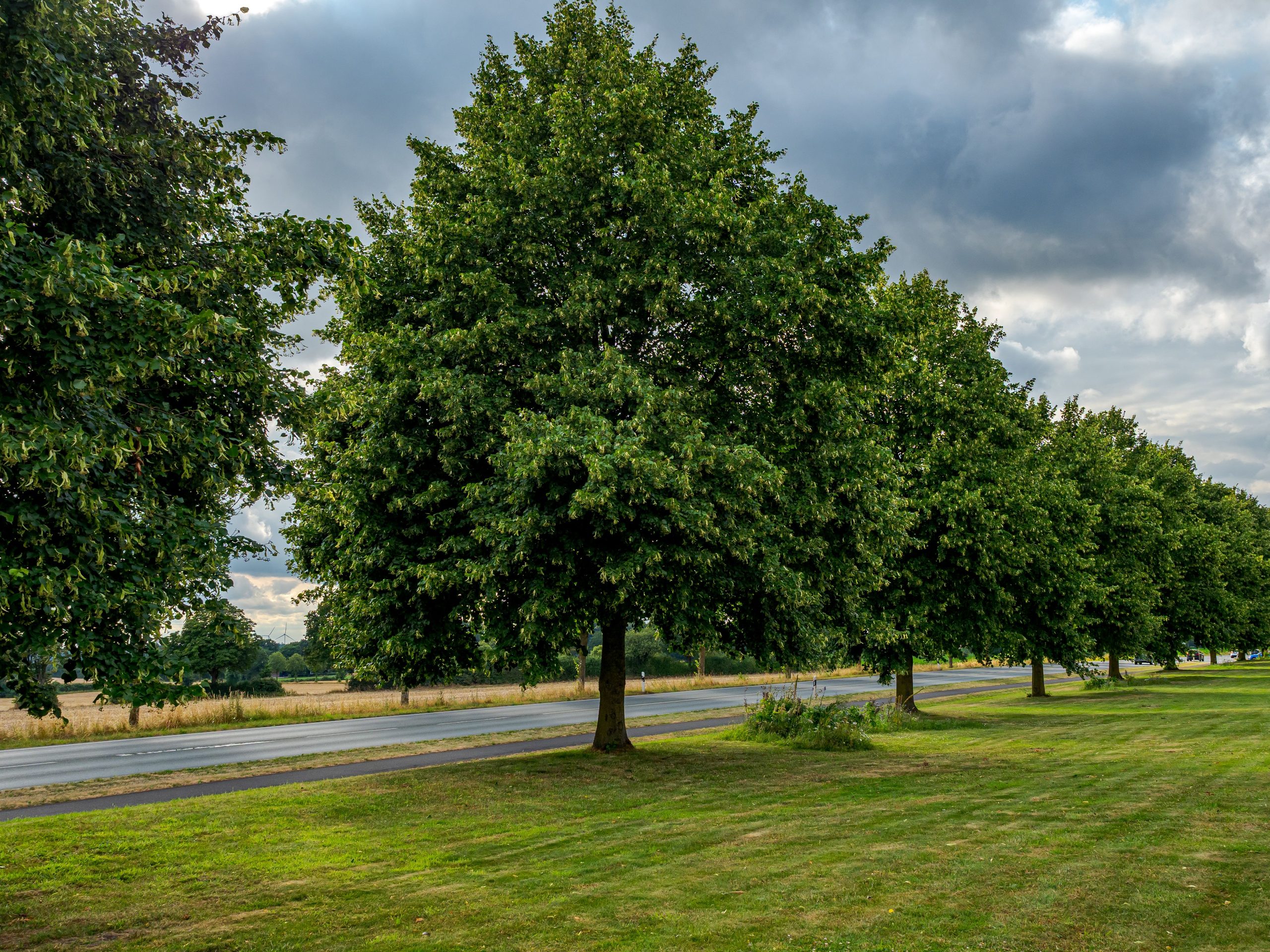
The Cedar Elm is a native Texas powerhouse that features small, rough green leaves that turn yellow in the autumn. This tree offers an upright growth habit that provides excellent shade without drooping over walkways or blocking storefront signage, making it a highly practical choice for busy business parks. Furthermore, it easily adapts to heavy clay and limestone soils, resists severe wind damage, and handles urban air pollution remarkably well.
2. Bur Oak
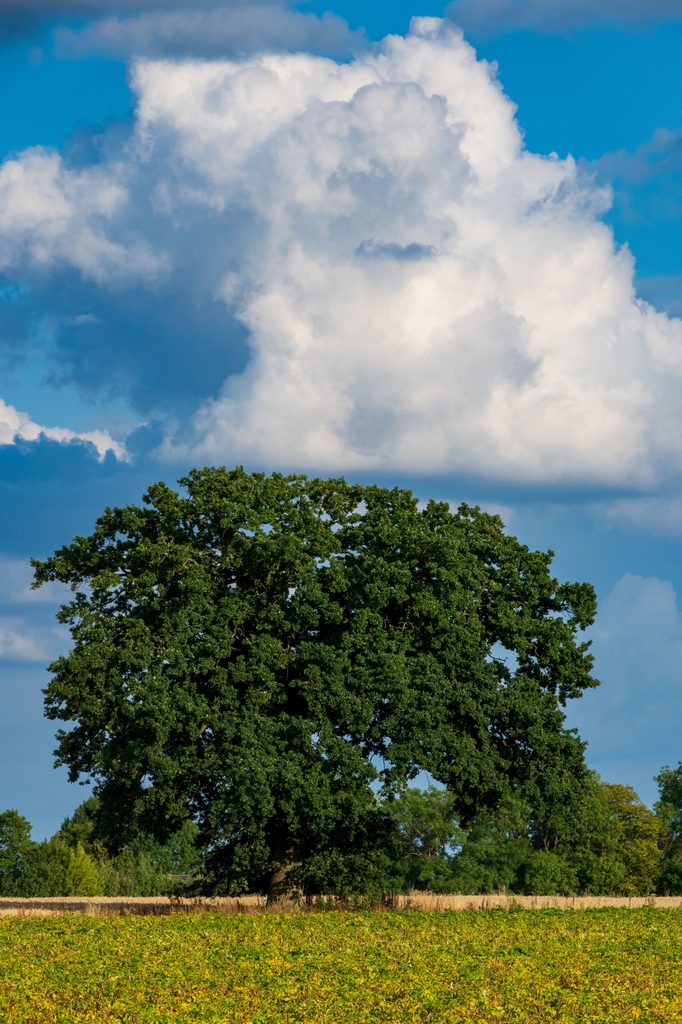
If your property has expansive open spaces, the Bur Oak is an ideal anchor tree known for its massive canopy, distinct corky bark, and bold architectural statement. Its dense foliage creates vast areas of shade that significantly reduce the “urban heat island” effect around asphalt parking lots, keeping your property cooler for visitors. Additionally, this majestic tree is incredibly drought-tolerant once established and thrives in highly alkaline soils where other species frequently struggle.
3. Texas Pistache
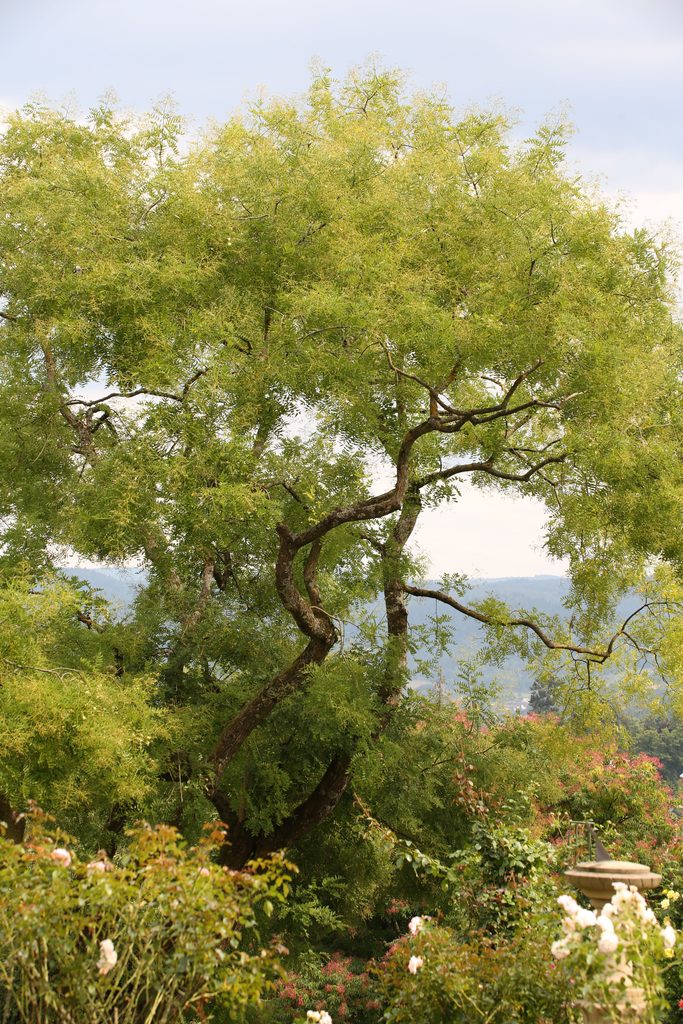
For high-visibility areas like entryways or median islands, the Texas Pistache serves as a spectacular ornamental option that elevates your property’s curb appeal. It stays relatively compact over time, making it perfect for framing buildings and windows without overcrowding the architecture, while providing brilliant red, orange, and gold foliage in the fall. Best of all, it requires very little water and is highly resistant to radiant heat from nearby concrete, making it perfect for low-maintenance commercial zones.
4. Chinquapin Oak
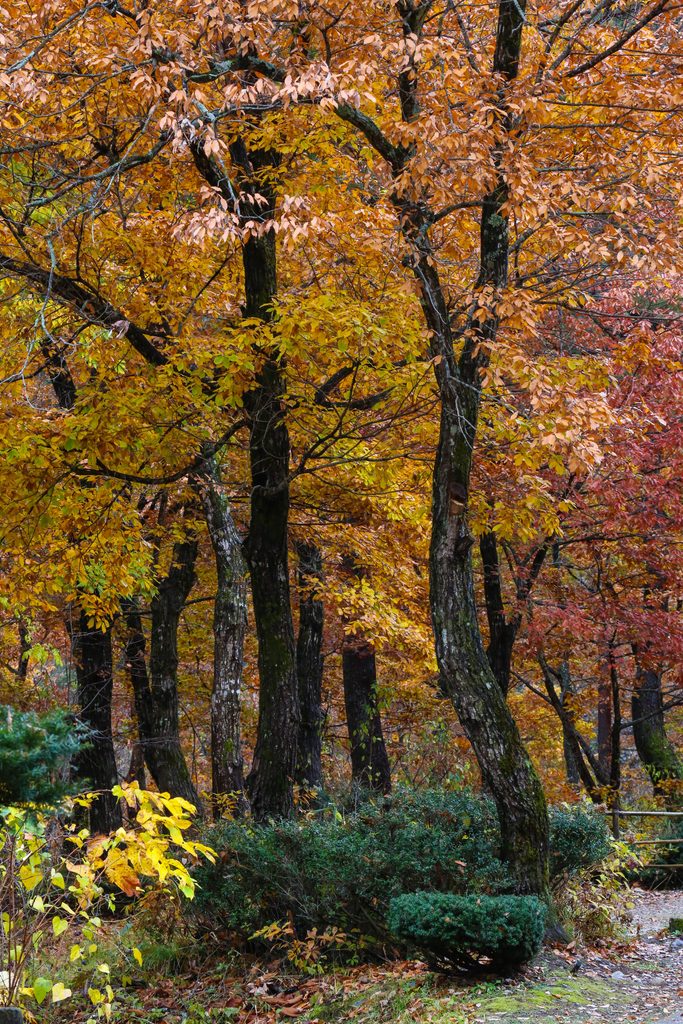
The Chinquapin Oak is a fast-growing shade tree featuring unique, saw-toothed glossy green leaves that shift to a rich yellow-bronze in the autumn. Its rapid growth rate means your property achieves a mature, upscale look much faster than with traditional oak varieties, which is a major benefit for newly developed retail spaces. It also possesses a high natural resistance to Oak Wilt, a devastating fungal disease common in Texas, and handles alkaline limestone soils with ease.
Essential Care and Maintenance Tips
Irrigation
Commercial irrigation systems often rely on shallow, frequent spray cycles that only benefit turfgrass, but trees require a completely different watering strategy to thrive. New trees need a deep soaking weekly for the first two years to establish strong, deep root systems capable of surviving severe weather. For mature trees, you should adjust your irrigation to provide long, slow soakings during intense July and August dry spells to prevent canopy dieback and protect your structural landscape investment.
Mulch
Mulch acts as a protective blanket for tree roots by locking in vital moisture and regulating soil temperature against extreme Texas heat. Apply a three-inch layer of organic hardwood mulch around the root zone, extending all the way to the edge of the tree’s canopy branch line for maximum benefit. It is critical to leave a two-inch gap between the mulch and the bark, avoiding the common mistake of “mulch volcanoes” piled against the trunk which trap moisture and cause wood rot or harmful insect infestations.
Pruning
Strategic pruning protects the safety of your tenants and visitors while drastically improving overall tree health. The best time to schedule pruning for deciduous trees is late winter when the plant is dormant and less susceptible to disease transmission. Focus your landscape crew on removing dead, diseased, or crossing branches, and prioritize raising the canopy around retail and office spaces to maintain clear sightlines for security cameras, traffic flow, and building signage.
Aeration
North Texas is notorious for dense Blackland Prairie clay soil, which packs tightly under foot traffic and effectively suffocates tree roots. To fix this, aerate the compacted turf near your trees’ root zones annually to allow oxygen and water to reach the subsoil. Additionally, apply slow-release, low-nitrogen fertilizers in early spring only if a professional soil test shows a clear nutrient deficiency, as over-fertilizing causes weak, rapid growth that leaves the tree highly vulnerable to pests.
Investing in tough native trees and proper seasonal care keeps your North Texas commercial property beautiful and saves money on cooling bills.
Is your business or HOA looking for a landscaping maintenance partner? Check out our website and give us a call.